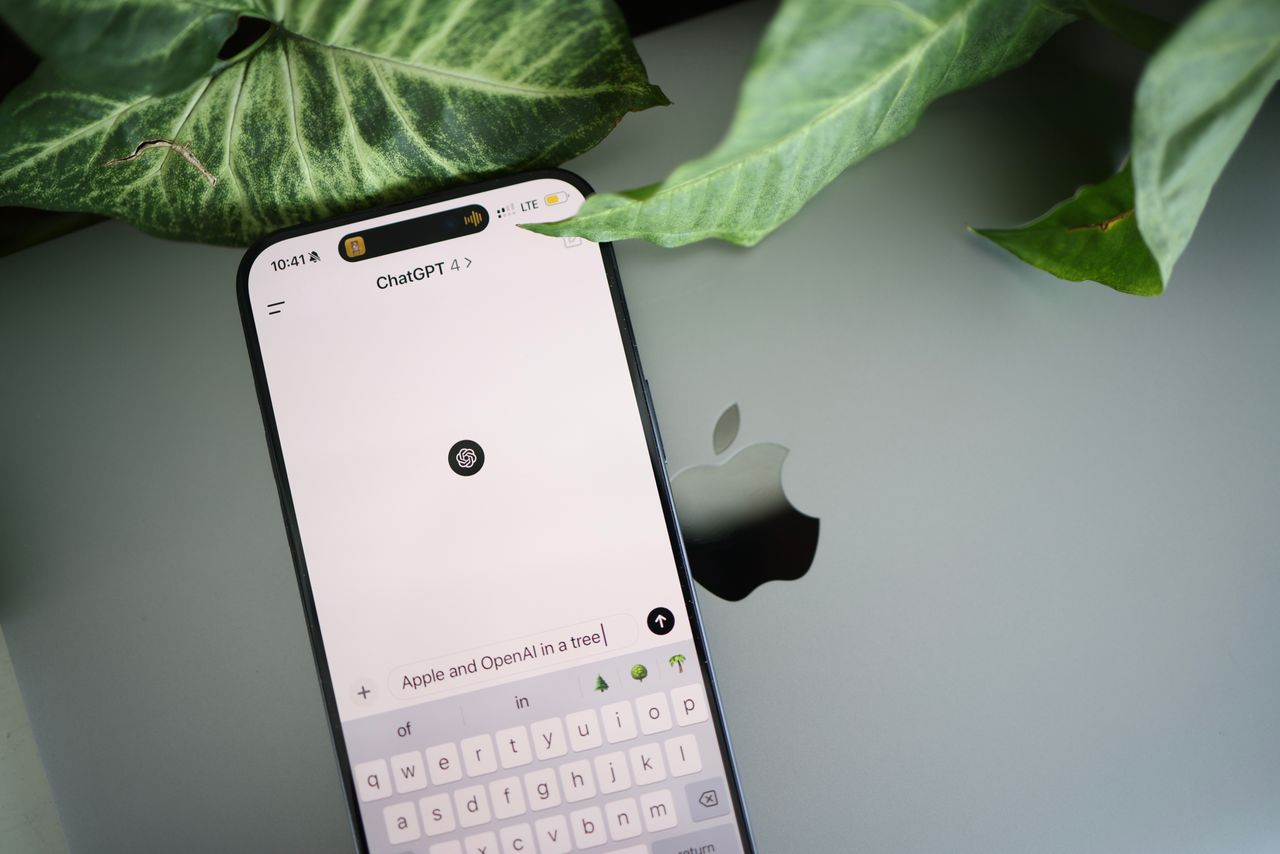
In February this year, OpenAI started testing ads inside ChatGPT. By May, there was a self-serve ads platform anyone could sign up for. And as of right now, the ads are live in Australia.
Here’s the part that should get your attention: most Australian businesses have no idea. There is no auction frenzy, no agency land grab, no LinkedIn gurus flooding your feed with screenshots. Yet. Which means the window every advertiser wishes they’d caught on Google in 2005 and Facebook in 2012 is open again, quietly, for the third time in twenty years.
We’re normally the ones telling you to ignore the shiny new channel and fix your funnel instead. This time is different. It’s why we now offer ChatGPT ads management alongside Google and Meta. This post explains why the timing matters, how the channel actually works, and the maths you need sorted before you put a dollar in.
What Are ChatGPT Ads?
ChatGPT ads are sponsored placements that appear alongside ChatGPT’s answers when someone asks a question with commercial intent. Ask it to recommend a project management tool, a running shoe, or an accountant, and a relevant brand can appear next to the response: business name, image, headline and a short description.
A few things worth knowing about how they show up:
- Only free users see them. Ads appear for people on ChatGPT’s Free and Go plans. Paid subscribers on Plus, Pro, Business and Enterprise tiers see no ads at all.
- They sit with the answer, not around it. There are no banner slots or sidebars. The ad appears in the flow of the conversation, at the moment the user is actively deciding something.
- Sensitive topics are excluded. Ads don’t show in conversations about health crises, minors don’t see them, and OpenAI reviews creative before it runs.
The scale is real. ChatGPT has hundreds of millions of weekly users, and a growing share of buying research now starts there instead of at a search bar. Your customers are already asking it questions your business is the answer to.
Why Early Actually Matters This Time
“Get in early” is the oldest hype line in digital marketing, so let’s be specific about what early means here in practical terms.
- Cheap inventory. Ad prices are set by auction. Right now the auction is thin because most advertisers haven’t arrived. The businesses in the channel today are buying attention at prices that will look silly in eighteen months, the same way early Facebook CPCs do now.
- A learning head start. This platform doesn’t work like Google Ads, and the accounts that start testing now are building performance data and creative instincts their competitors will have to buy later, at higher prices, in a crowded auction.
- Category ownership. When one plumber, one law firm, one skincare brand consistently appears in ChatGPT’s answers for their category and their competitors never do, that repetition compounds. Being the only brand a user ever sees in that context is a positioning advantage no crowded channel can offer.
The honest caveat: early also means immature. Reporting is thinner than Google’s, features are changing monthly, and you will hit rough edges. That’s the price of the discount. It’s why we recommend early movers start with a controlled test budget, not a channel migration.
There Are No Keywords. That Changes Everything.
Here’s where most businesses will get it wrong: they’ll treat ChatGPT ads like a new Google Ads campaign, and the platform doesn’t work that way at all.
| Google Ads | ChatGPT Ads | |
|---|---|---|
| Targeting | Keywords and audiences | Plain-English audience descriptions, location, uploaded customer lists |
| Trigger | What someone types into a search box | The intent of an entire conversation |
| Bidding | CPC with automated strategies | CPC, CPM or cost per conversion |
| Minimum spend | None | USD $25 per day per campaign |
| Tracking | Google tag and GA4 | ChatGPT conversion pixel plus UTMs |
Instead of bidding on keywords, you describe who you want to reach in plain English. OpenAI calls these context hints. The system then matches your ad to conversations where that intent shows up, however the user happens to phrase it.
This rewards businesses that genuinely understand their customer and punishes lazy targeting. “People searching for plumber Wollongong” is a keyword habit.
OpenAI is also shipping fast. In July it added customer list uploads for first-party audience targeting, the same play Google and Meta built their empires on. The platform is immature, but the direction is unmistakable.
Do the Maths Before You Spend a Dollar
Cheap clicks are only cheap if you know what a customer is worth. This is the same discipline we push on every channel, and it matters more on a new one, because you won’t have industry benchmarks to hide behind. Good. Benchmarks were always someone else’s numbers anyway.
Before you launch, you need two figures:
- Your maximum cost per acquisition. The most you can pay for a customer and still make money. If you’ve never calculated it properly, our max CPA formula walks through it step by step.
- Your customer lifetime value. A ChatGPT user discovering your brand mid-conversation is often earlier in their buying journey than a Google searcher, so first-purchase economics can undersell the channel. Run your numbers through our LTV calculator to see what a customer is really worth over time.
With those two numbers, a sensible early test looks like this: one campaign at or near the minimum daily budget, two or three context hint variations, the conversion pixel installed from day one, and a four to six week window before you judge anything. Measure it against your max CPA, not against your Google Ads account. Different channel, different point in the journey, different job.
Where ChatGPT Ads Fit Alongside Everything Else
ChatGPT ads are not a replacement for anything. They’re a new front door, and they work best when the rest of the house is in order.
Your Google Ads still capture the highest-intent demand that exists, people actively searching for what you sell today. Meanwhile, paid placement inside ChatGPT is only half the AI visibility picture. The other half is organic: making sure AI engines can find, understand and cite your website when users ask questions without an ad in sight. That’s what AI SEO covers, and the brands doing both are the ones that show up in the answer whether there’s a sponsored slot or not.
At DNM Digital, we’ve been tracking this channel since OpenAI’s first ad tests in February, and we run it the same way we run everything: your unit economics set the budget, the data decides what scales, and if the numbers don’t work, we tell you to turn it off.
The window for cheap, uncontested attention inside ChatGPT is open right now. It will not stay open long, because it never does.