There’s a question we get asked constantly at DNM: “Which channels should we be using?”
And honestly? The question isn’t wrong. But it’s usually the second question you should be asking, not the first.
The first question is: “What are we actually trying to do right now?”
Because once you understand that, the channel answer almost picks itself.
The Difference That Actually Matters
At its core, digital marketing does one of two things:
- It captures demand that already exists.
- It creates demand that didn’t exist yet.
Both are valuable. Both are necessary. But they work very differently, and mixing them up is one of the most common (and costly) mistakes we see businesses make.
Capturing Demand: Meeting People Where They Already Are
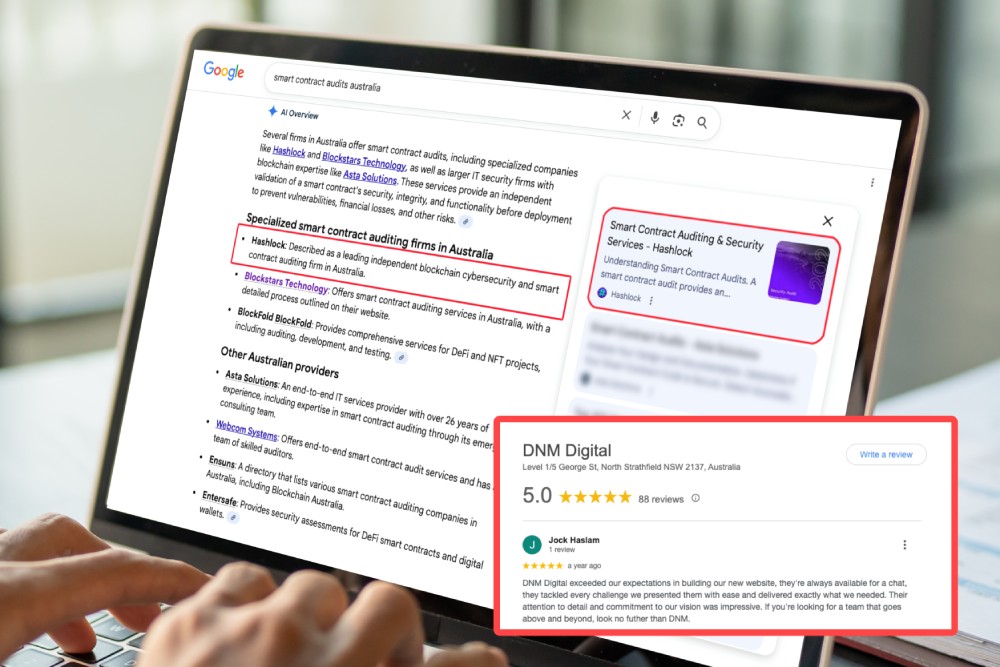
SEM in Google is the textbook example of demand capture.
When someone types “best physio near me” or “commercial cleaner Sydney,” they’ve already done the hard work. They have a problem, they know they have a problem, and they’re actively trying to solve it. Your job is simply to show up and show up well.
That’s why Google Ads and SEO can deliver such strong returns. You’re not convincing anyone of anything. You’re just raising your hand at the exact moment someone’s looking.
The catch? You can only capture demand that already exists. If nobody’s searching for what you offer, no amount of Google spend will change that.
Creating Demand: Changing What People Want
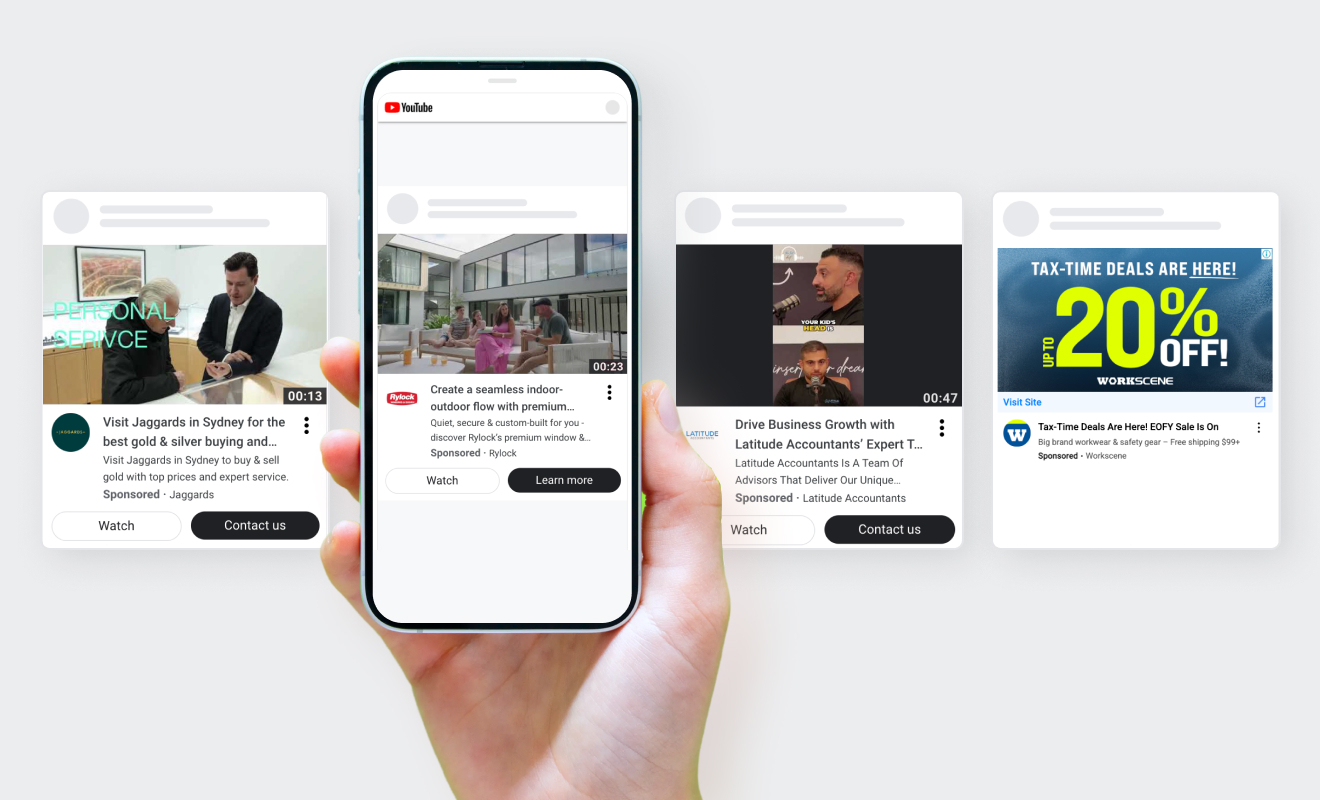
Social Ads: Meta (Facebook and Instagram), TikTok, Snapchat, LinkedIn, X (twitter) works in a completely different way.
Nobody opens Instagram thinking “today’s the day I buy a new mattress.” They’re scrolling, watching reels, half-paying attention. The intent isn’t there yet.
But that’s actually the opportunity.
A well-placed Meta ad can make someone stop mid-scroll and think: “Huh. I didn’t know I needed that.” You’re not responding to existing desire, you’re planting it. That’s demand creation, and when it works, it can shift entire markets.
The downside? It typically takes longer. You’re working earlier in the buying journey. Results are harder to attribute directly. But the businesses that skip this step often find themselves competing for a shrinking pool of buyers.
Organic: The Credibility Layer
Then there’s organic which is your Instagram feed, your LinkedIn presence and this one gets misunderstood most often.
People sometimes expect organic to behave like a paid channel. Post something, get immediate leads. That’s not really what it’s built for.
Organic’s job is trust.
Think about what happens after someone discovers your business, whether through a Google search, a Meta ad, or a word-of-mouth recommendation. What do they do next?
They check you out.
They go to your Instagram. They look at your LinkedIn. They browse your website. And if what they find looks active, helpful, and genuinely human? Their confidence in you goes up fast.
Organic isn’t the channel that creates the click. It’s the channel that converts the doubt.
Why This Matters More in the Lead-Up to Peak Periods
Here’s where a lot of businesses get caught short.
Whether you’re heading into Black Friday, the end of the financial year, Christmas, or any other high-demand period for your industry, the instinct is to turn up the spend right before the moment arrives.
And sure, that helps. But it’s only half the strategy.
Demand capture works well in the moment. If someone is actively searching for your product or service during peak season, being present in search is critical. Don’t pull back here.
But demand creation needs a longer runway.
The people who buy from you during peak periods? Many of them saw you weeks and sometimes months before. They scrolled past your ad. They followed your account. They noticed your brand existed. And when the time came to buy, you were already familiar.
That familiarity doesn’t happen overnight, and it can’t be bought in a two-week burst of spend. It has to be built. And the best time to build it is before you need it.
Putting It Together: A Simple Way to Think About Your Mix
When we’re planning a marketing strategy at DNM, we’re not asking “Google or Meta?” as if it’s a binary choice. We’re asking:
- What does our current pipeline look like? If you’re not capturing existing demand, fix that first.
- How much runway do we have before our next peak period? If it’s 3+ months, invest in demand creation now so it compounds by the time peak hits.
- What does our organic presence communicate when someone checks us out? Because all that paid spend gets undermined if the first impression is a dead feed or a generic website.
Most businesses need all three working together.
The Bottom Line
There’s no magic channel. There’s no single answer to “where should we put the budget?”
But when you understand the role each channel plays in capturing intent, creating it, or building trust then the decisions get a lot clearer. And when you apply that thinking ahead of your peak periods rather than during them, you stop chasing demand and start building it.
That’s when the budget starts working the way it should.
Want to talk through what this looks like for your business? Get in touch with the DNM team.